
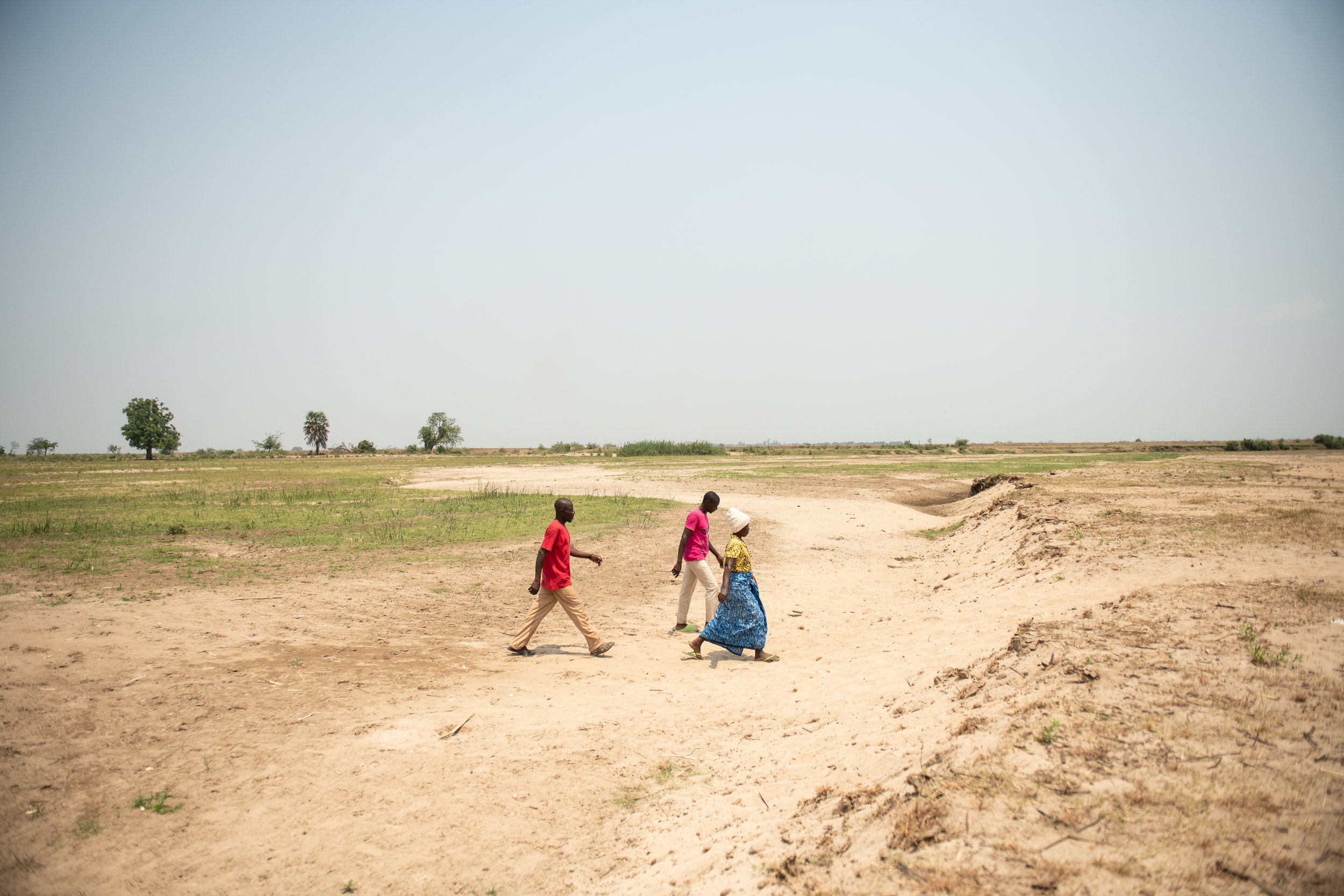
Sugar / Malawi
Sugar. The vital ingredient for crafting a birthday cake for a loved one, for keeping us stocked with our favourite fizzy drinks, or just for sweetening our morning cuppa. Its in every kitchen in the UK.
Illovo Sugar Malawi, owned by the UK multinational Associated British Foods, has supplied sugar to the EU and UK, and to household brands like Silver Spoon and Coca Cola.
More than 1700 villagers from Malawi are taking legal action against ABF, claiming flood defences built to protect the sugar estate diverted floodwater into their village, destroying it and killing seven people, including two children.
ABF deny the allegations. A trial will determine the facts of the case.
As consumers, we can demand a fair water footprint from the goods we’re sold, and ensure that their production does not drive human rights and environmental harms.
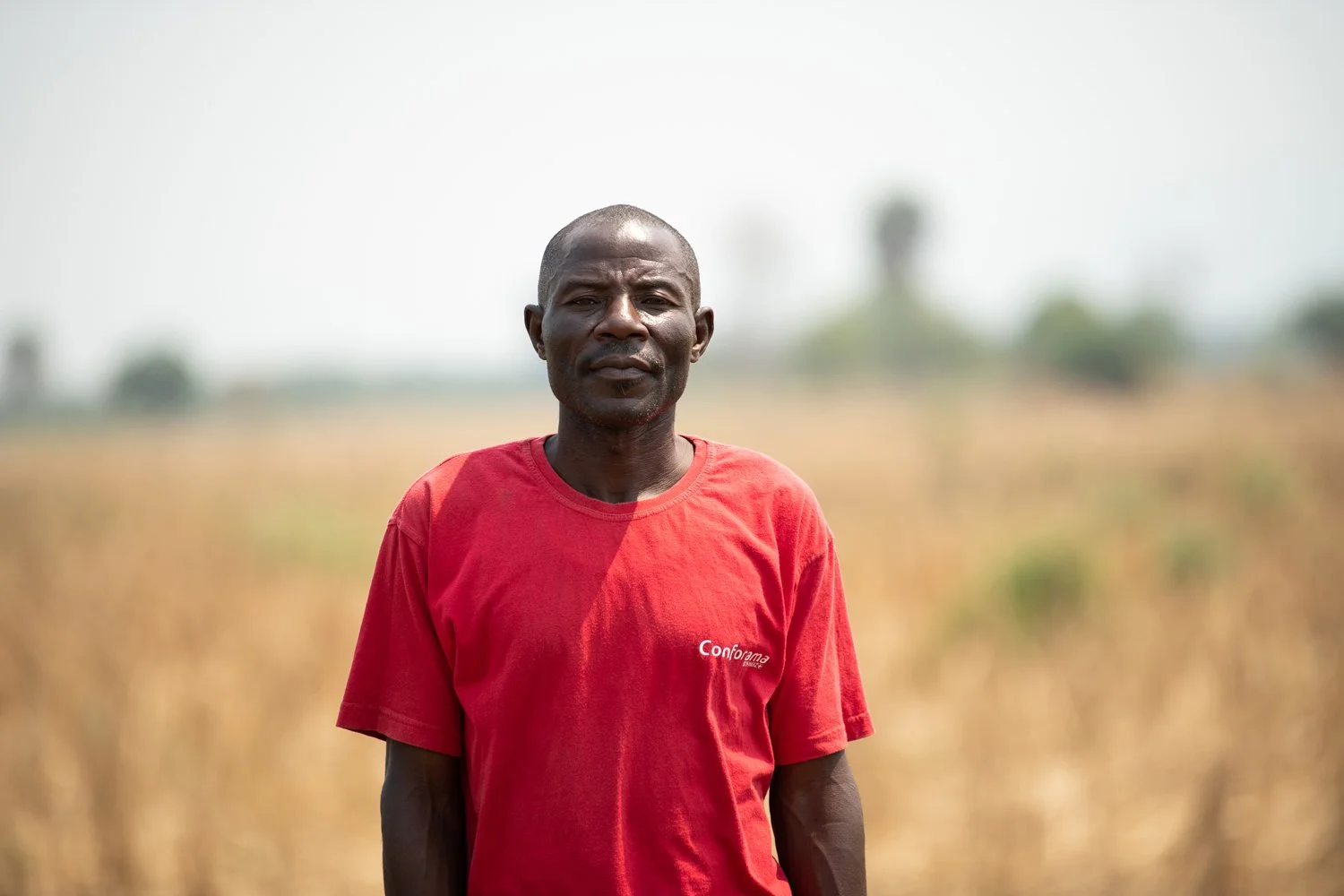
“What used to happen is that when the river flooded, water used to go through some drains and run off. Then they [Illovo Sugar] constructed this dyke, and when the water comes it has no passage. When Cyclone Ana came we were heavily affected with floods and nowhere to run to.
People lived here for 90 years before the dykes. The villagers now see nothing but death here.”
Fatche, Villager
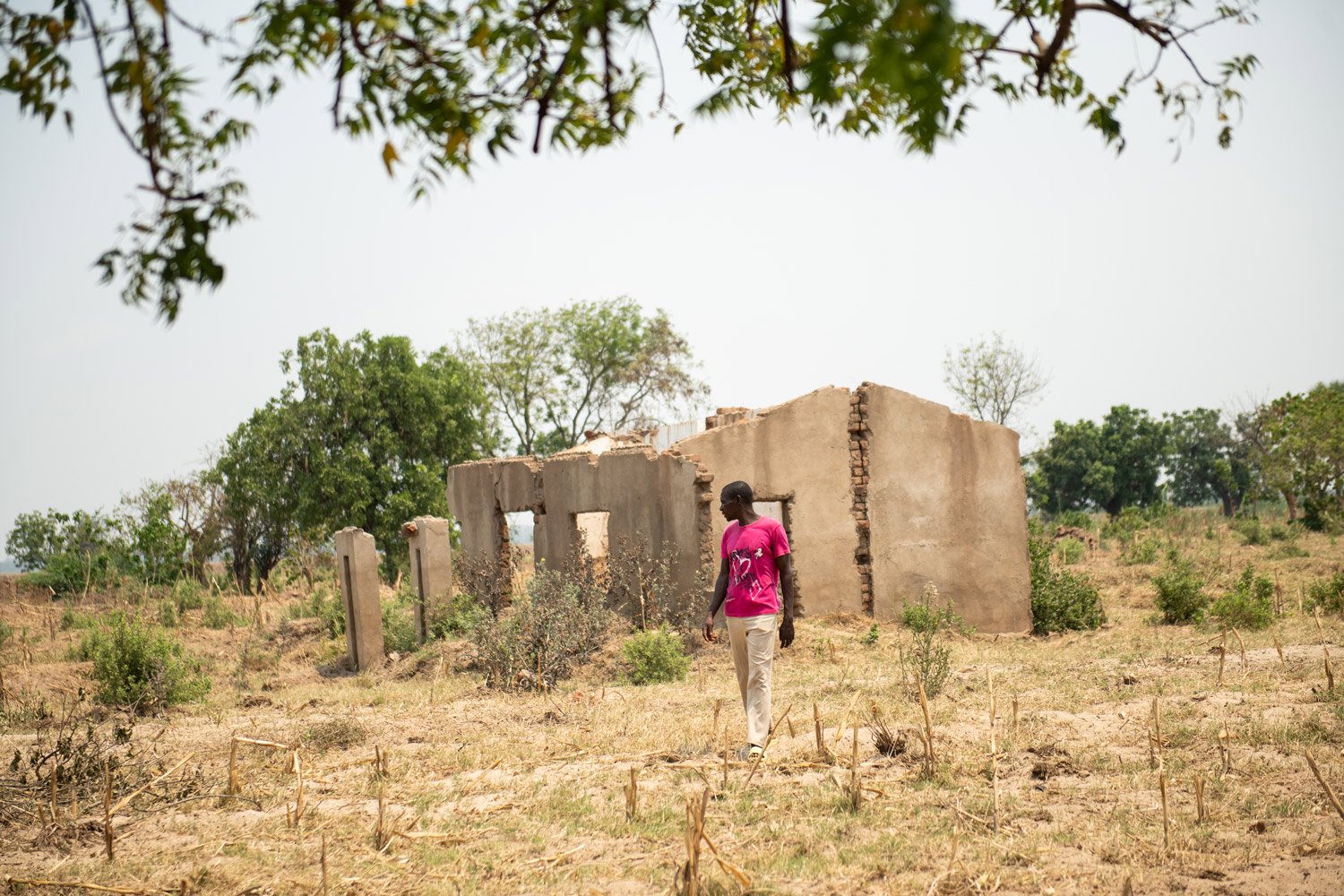
“I was part of a group that rescued people after water had flooded in the wake of Cyclone Ana. The rain was falling, and water was flowing in all directions. And because of the dyke, the water was blocked and it destroyed livestock, people’s lives and houses. Anything that a person needs for a basic life, they lost. Life is hard here. It is way harder than it was before.”
Luke, Villager
IN FOCUS: Sugar from Malawi
Kanseche village
Many residents of Kanseche village, Malawi, were asleep when the floodwater entered their homes. There was no prewarning system to alert them. They describe a night of terror and confusion, with people forced to climb trees in the dark to escape the fast-flowing water, which quickly reached two metres deep and carried several people away. Seven people died in the flood, including a three-year-old girl and a 1-year-old boy.
no access to food or clean drinking water
After the initial flooding, the village remained cut off for three days, with most people forced to remain in the trees with no access to food or clean drinking water. Some attempted to survive by drinking the dirty floodwater which made them sick. Others saw crocodiles in the water below or had to fend off dangerous snakes in the trees before eventually being rescued.
Flooding
The flooding destroyed every building in the village and left farmland covered by a thick layer of sediment and rendered unusable. The villagers, who relied heavily on farming for their livelihoods, lost all their possessions, including crop stocks and animals which they have been unable to replace.
food shortages & water instability
A once prosperous and self-sufficient community, who lived in Kanseche village for generations, now suffer from food shortages and intense water instability.
Water Witness research found that, as far back as 2018, Illovo Sugar Malawi was warned that their approach of building embankments risked causing flooding risks for neighbouring communities. World leading flood modellers concluded that the embankments at Kanseche not only diverted floodwaters, but increased the height and speed of the flood, turning a dangerous flood into a catastrophic one.
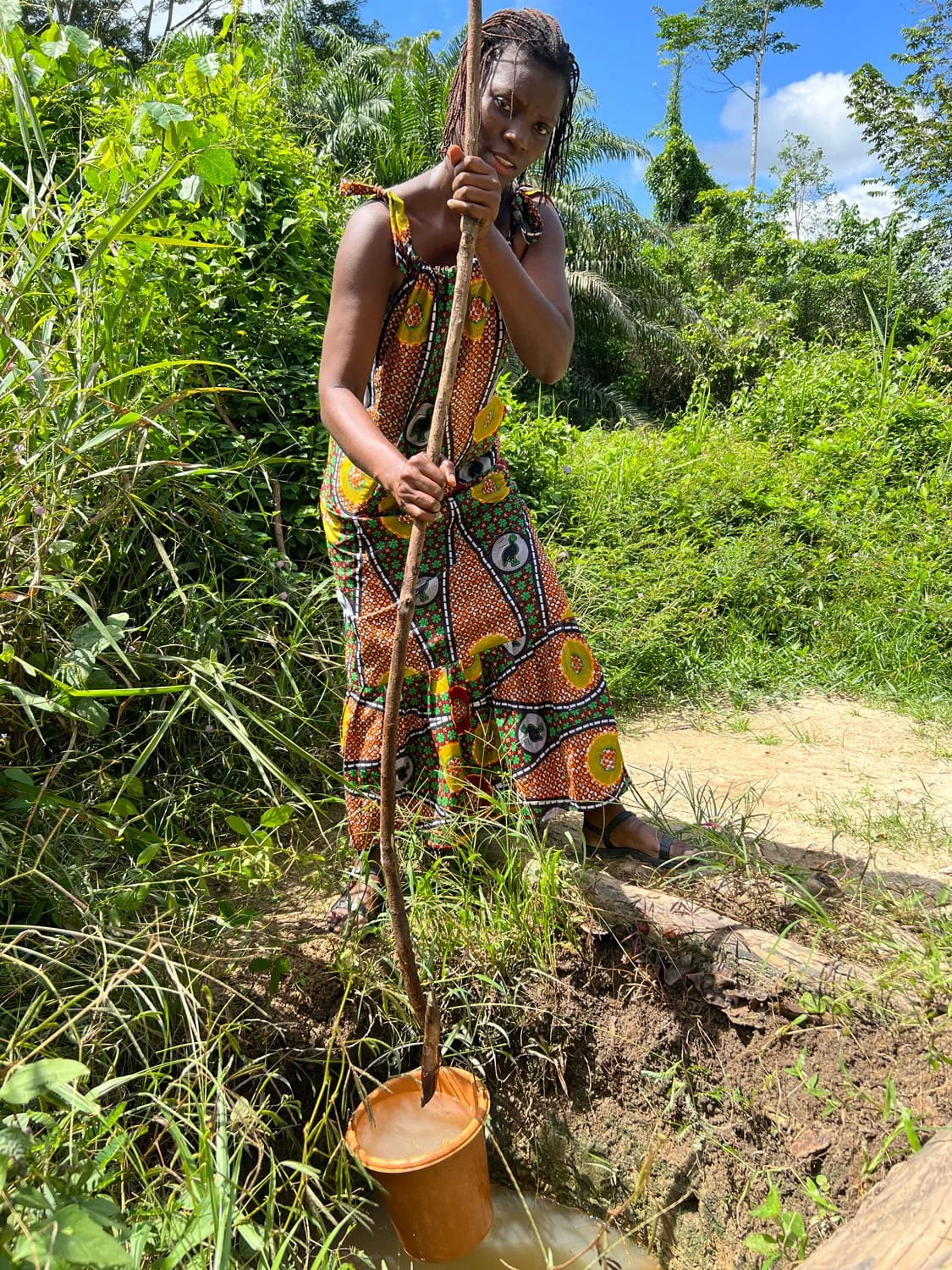
When chocolate companies are posting record profits, why don’t the cocoa farmers in Côte d'Ivoire who supply every major chocolate brand have clean water and decent toilets?
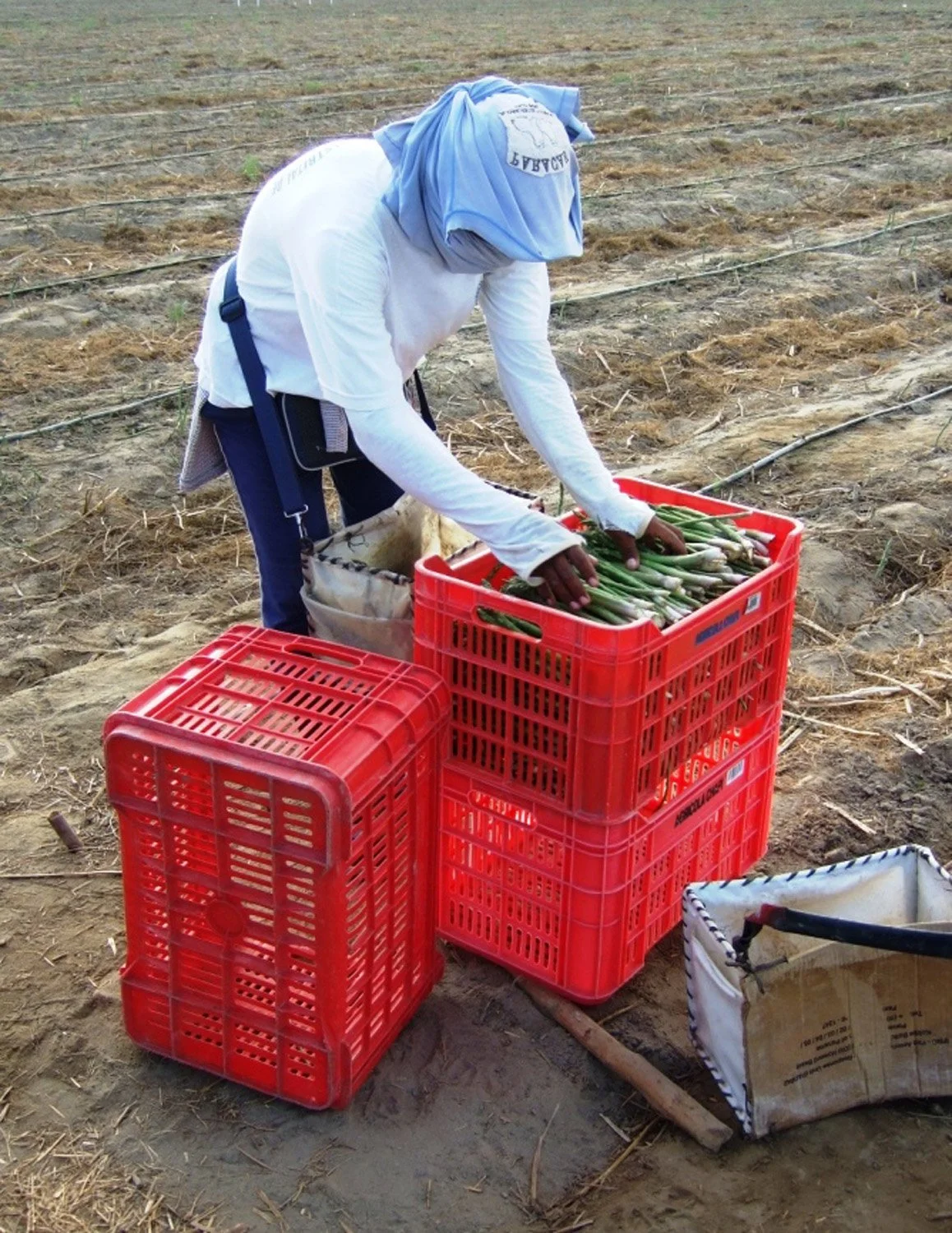
When production of fresh fruit and veg for our supermarkets takes more water than the aquifer can provide, what’s the real human and environmental cost of blueberries and avocados all year round?
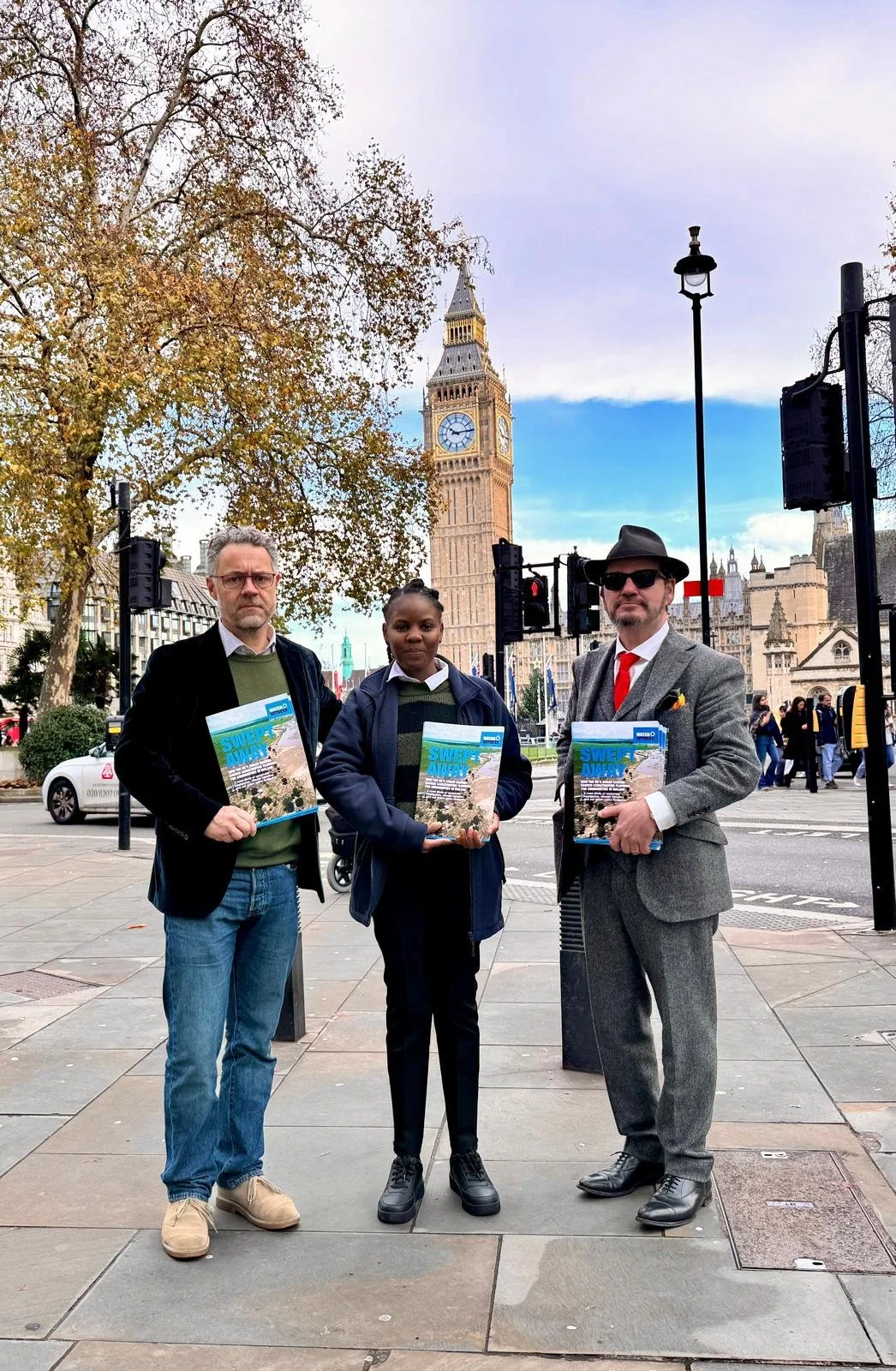
We’re being sold inequality by the gallon. But together, we can change that.
Demand a fair water footprint - act now!