
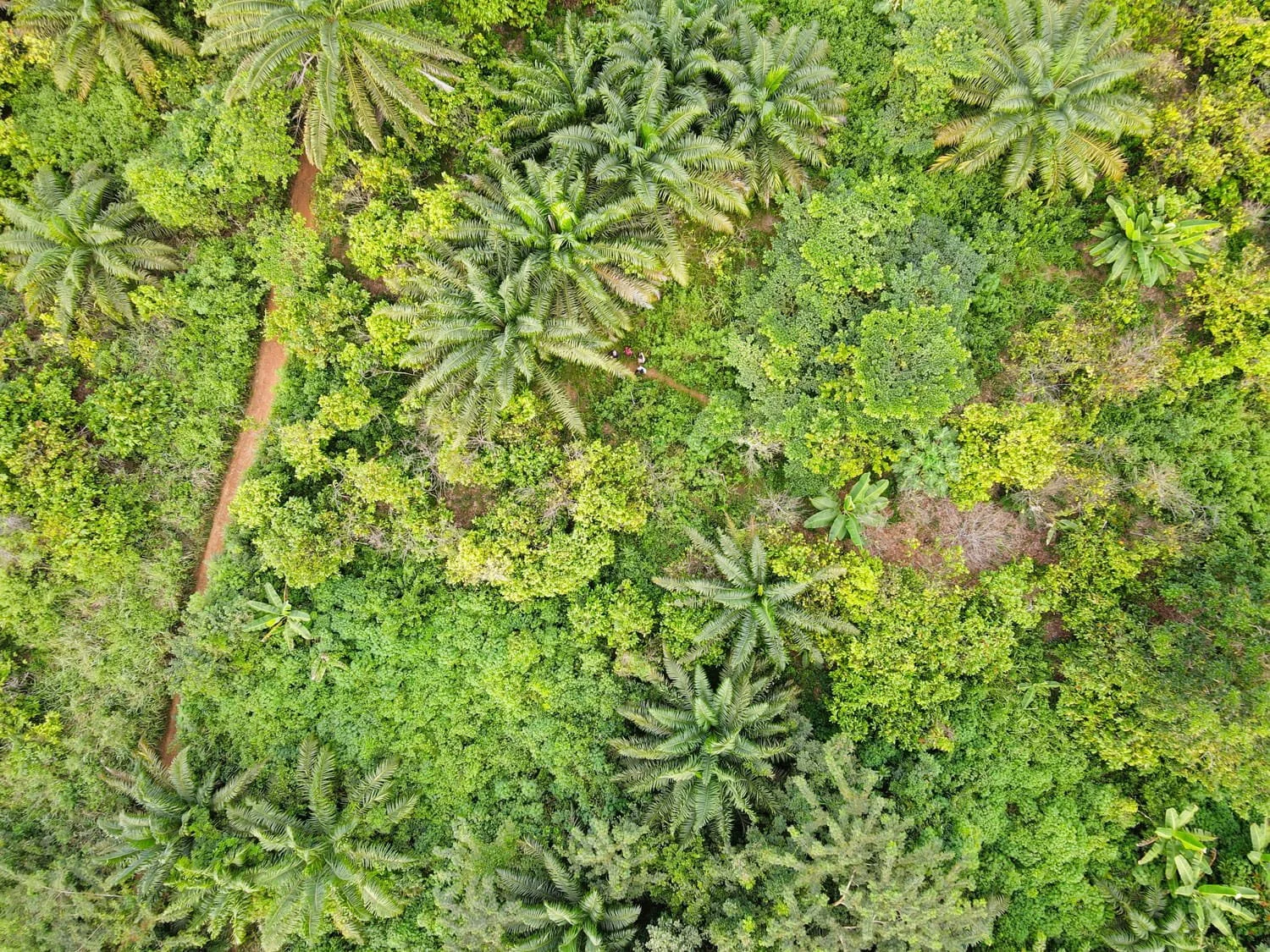
COCOA / Côte d'Ivoire
Cocoa. It’s what makes chocolate, chocolate.
Small farmers in the West African nation of Côte d'Ivoire are the world’s leading cocoa producers.
From Cadbury’s, Mars, and Nestle, to Ferrero, Lindt, and Tony’s Chocolonely- cocoa grown by farmers in Côte d'Ivoire is in every major chocolate brand that makes the treats we love.
However, there are serious human rights concerns in cocoa production zones in Côte d'Ivoire - where people are drinking unsafe water, and don’t have somewhere safe and decent to use the toilet.
Meanwhile, climate change is affecting their crops, leaving them with diseased crops and a loss of income. In 2024, the drop in cocoa production was so extreme, that ‘chocolate shortages’ were widely reported, and prices rocketed for consumers.
Some farmers reported that they could no longer afford school fees, and had to take their children out of school to work on the farm.
We’re being sold inequality by the gallon.
No-one should live without access to the human rights to water and sanitation, while companies make record profits from their labour. Demand a fair water footprint.
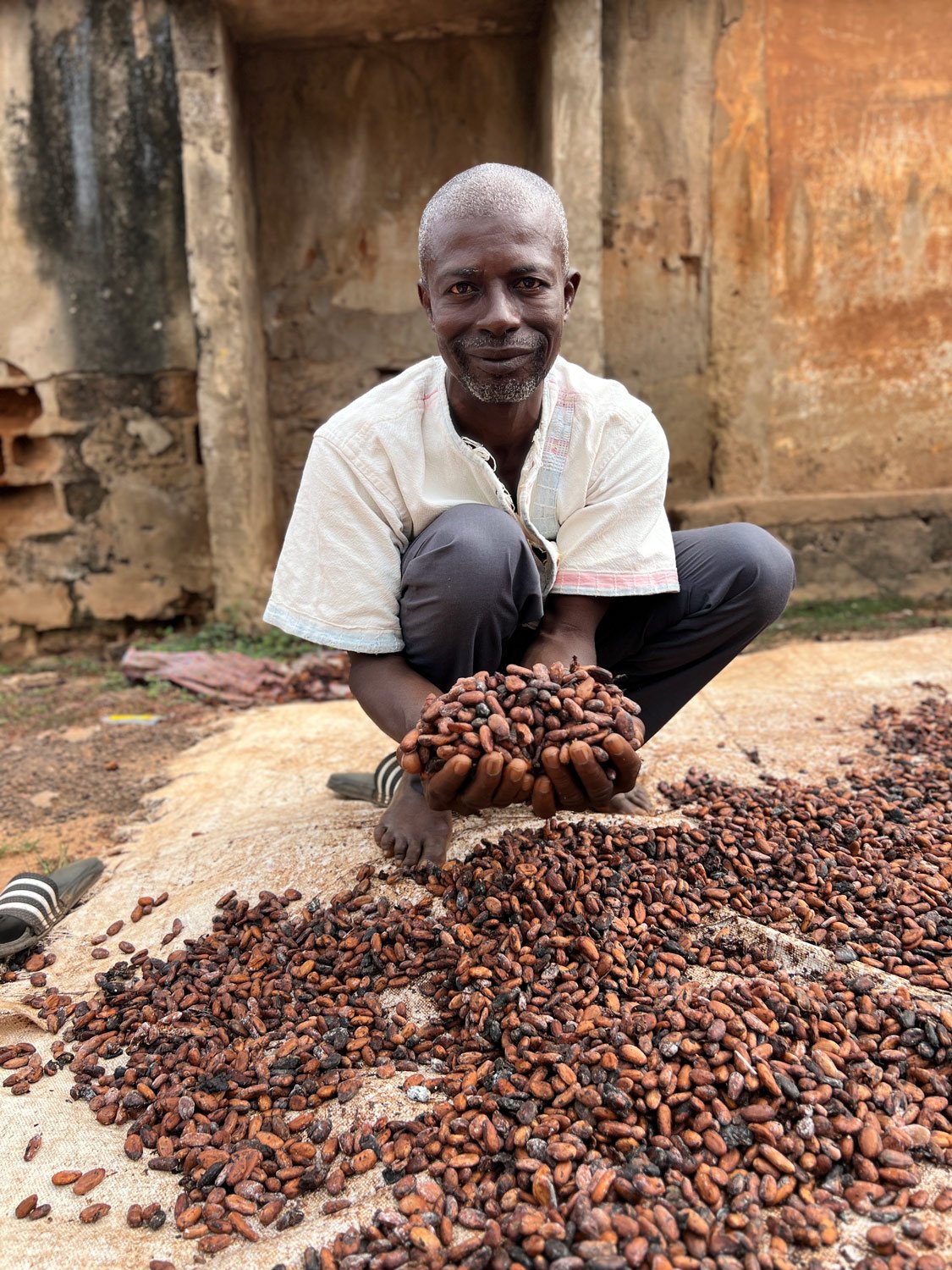
“Production is down to 20% due to changes in rainfall and drought. This year we’ve never seen a drop like it – the worst harvest we’ve ever had. [...] When I think of what is happening I feel like crying. Our parents have fought to produce good quality cocoa but in the end we have nothing. We’ve never received support from the companies.
Go to the farms and you will see there is nothing there …no toilets… no water. They take water from the rivers, the rain and traditional wells.
They get ill – there is typhoid fever.”
Producer Representative, Haut Sassandra Region
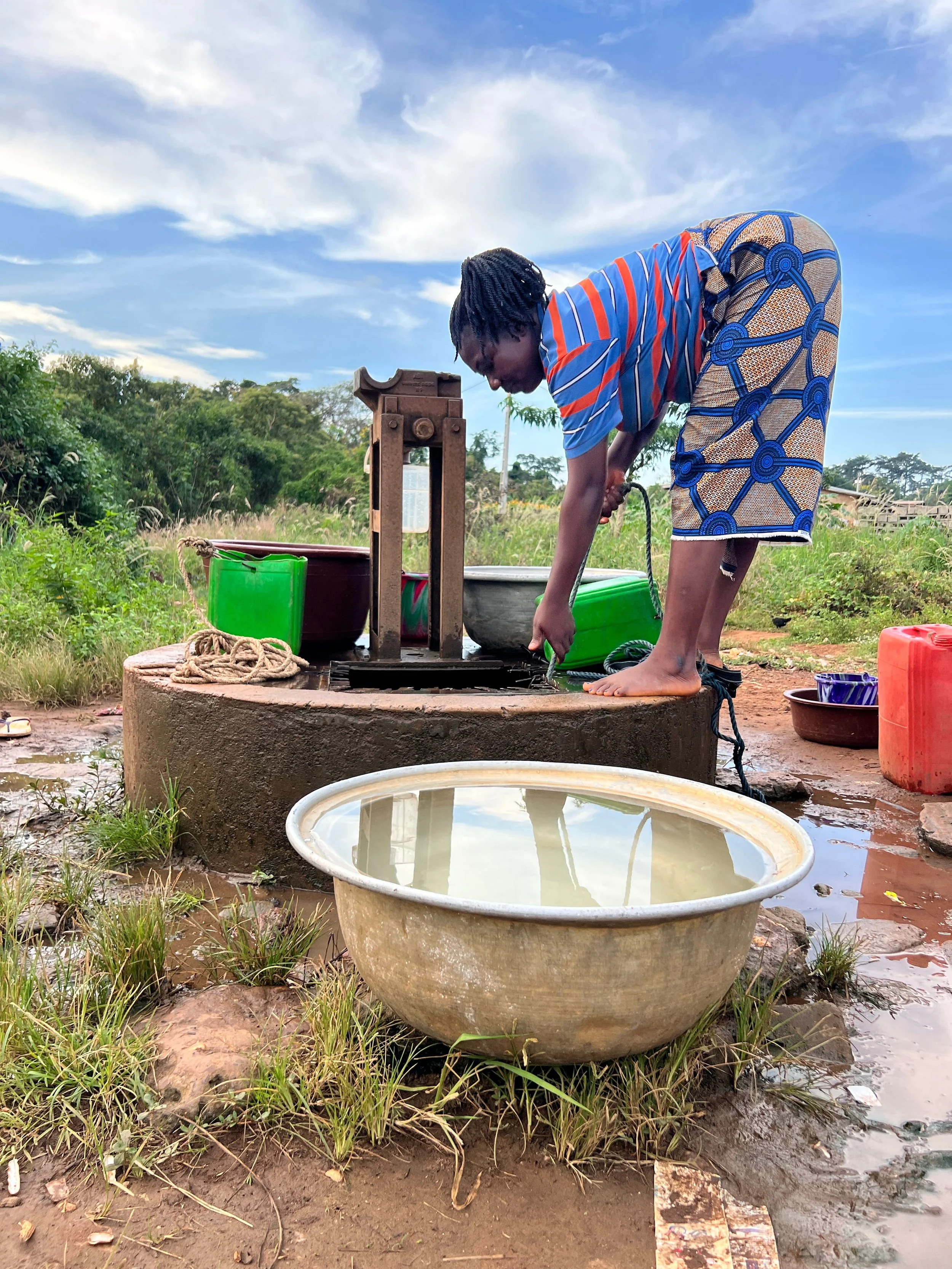
“We have no water here…the children go on bikes to the well.
It might be dirty, but we have no choice – we can’t afford to care about quality. We are not in good health here…we get malaria and diarrhoea as there is no good sanitation.
We can’t reinvest anything because we don’t earn enough.”
Cocoa Grower, Moronou Region
IN FOCUS: Cocoa from Cote D’Ivoire
The chocolate industry
The chocolate industry presides over a supply chain system where small-holder cocoa farmers across Côte d’Ivoire – the main source for all major brands – lack the human rights to safe water and sanitation and remain some of the most climate vulnerable communities on earth. In all cocoa growing zones visited where production for major traders and brands is ongoing, farming communities have no option but to take drinking water from unsafe ditches, streams and shallow wells. They also lack decent toilets, safe sanitation and handwashing facilities. Open defecation is widespread. Such extreme economic water scarcity and water poverty are indicative of exploitative practices, and lock these communities, particularly women and girls into a cycle of ill-health, indignity and lost opportunities.
rainfall patterns
Furthermore, all cocoa-growing communities have been gravely impacted by erratic and increasingly intense rainfall patterns caused by climate change. Cocoa yields have plummeted, typically by around 40%, and in some cases by as much as 90%, leading to a global shortage of cocoa. Despite consistent predictions from climate models about increasingly erratic rainfall, the chocolate industry– while posting record profits in 2024 – has left smallholder cocoa farmers to bear the brunt of climate change on their own.
No meaningful support
None of the farming communities visited reported receiving any meaningful support from companies, buyers or standards systems to build resilience, despite the availability of proven approaches like seasonal forecasting, climate-smart seeds, crop insurance, and conservation agriculture. In response to decimated cocoa harvests and in the absence any financial safety net, farmers are left with few options, and many are forced to take their children out of school or clear virgin forest to make ends meet.
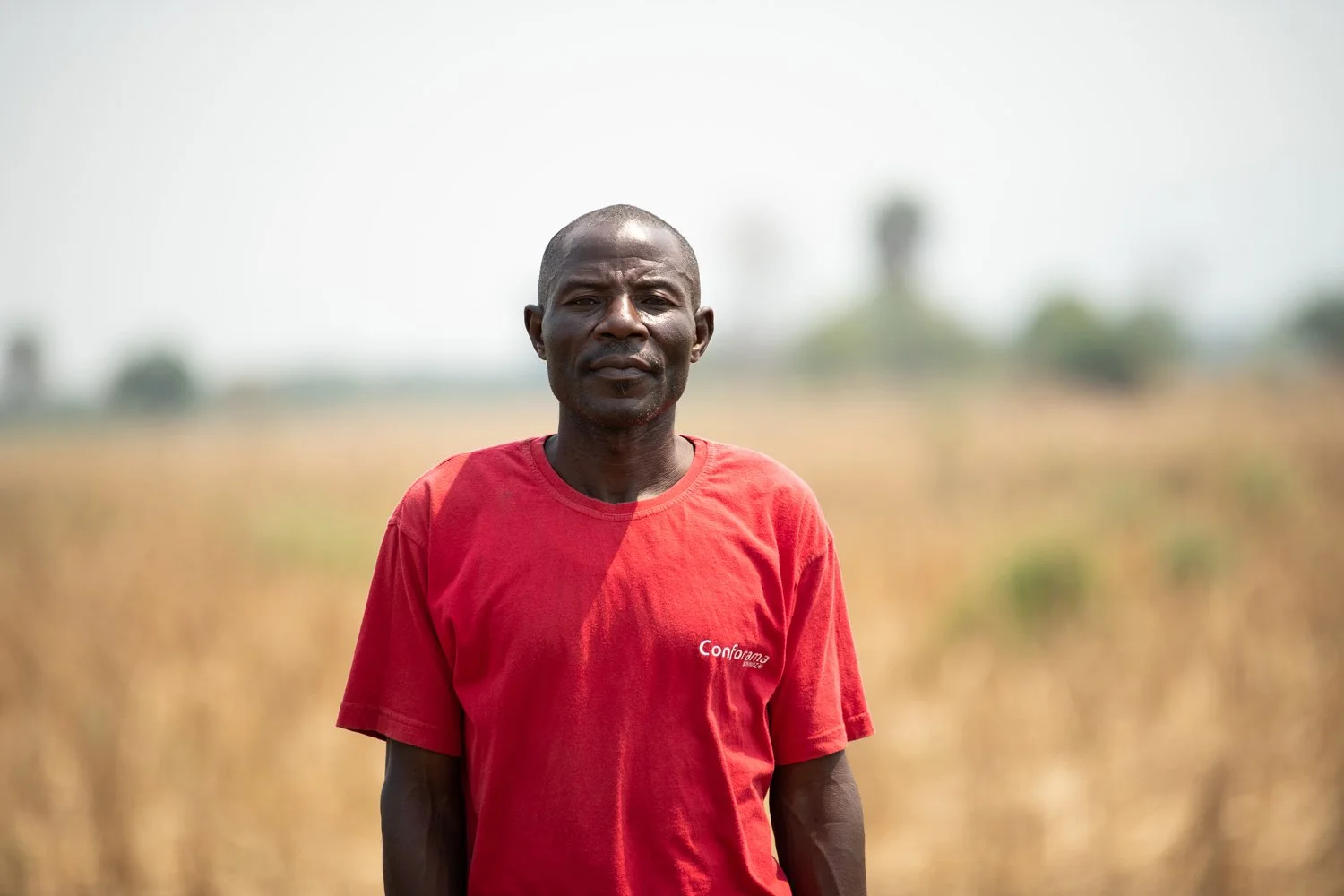
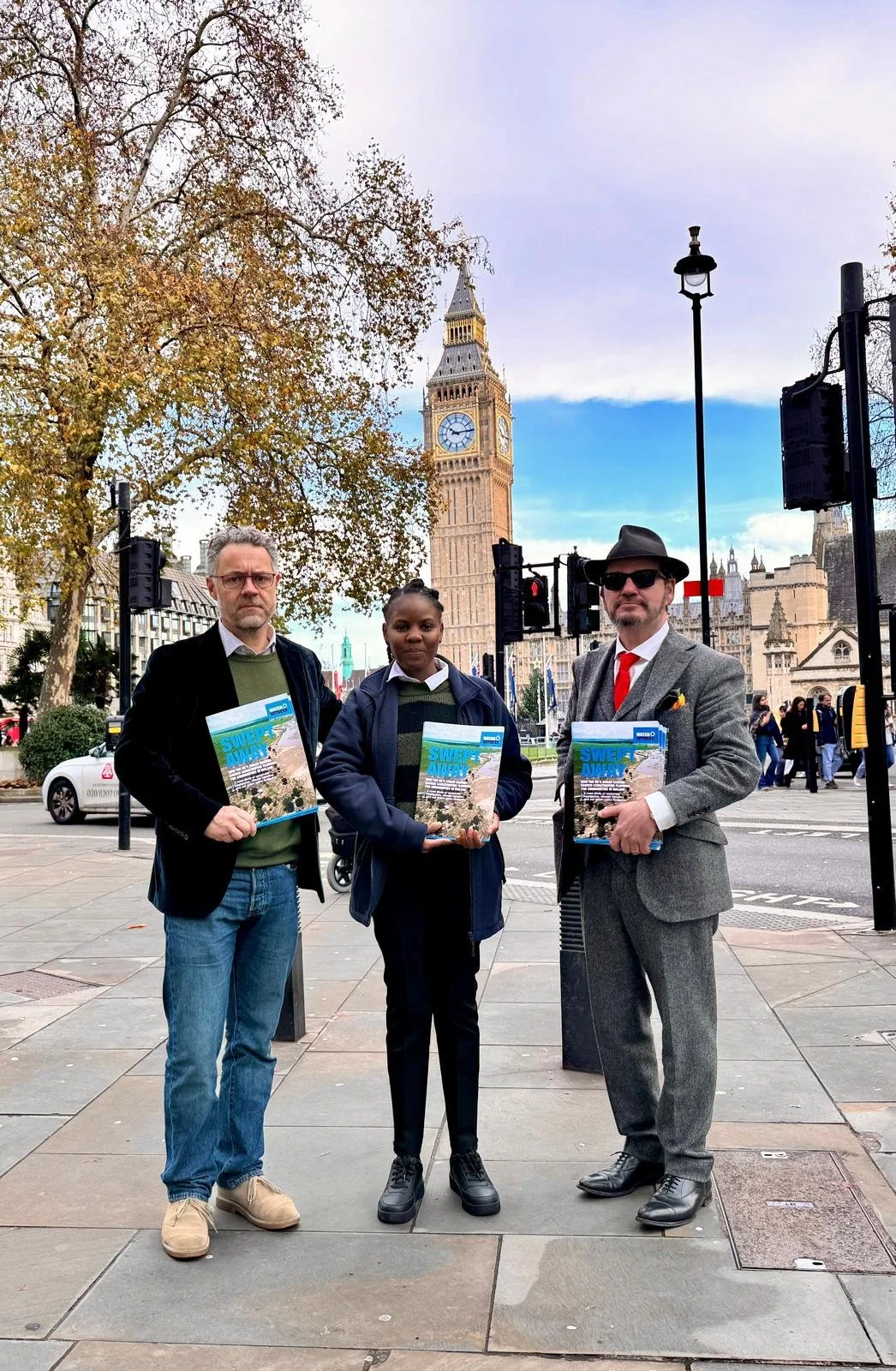
Did a British-owned sugar company protect their plantation in Malawi from floods, at the expense of the neighbouring community? Kanseche village was destroyed, and seven people were killed - now 1700 villagers are taking legal action.
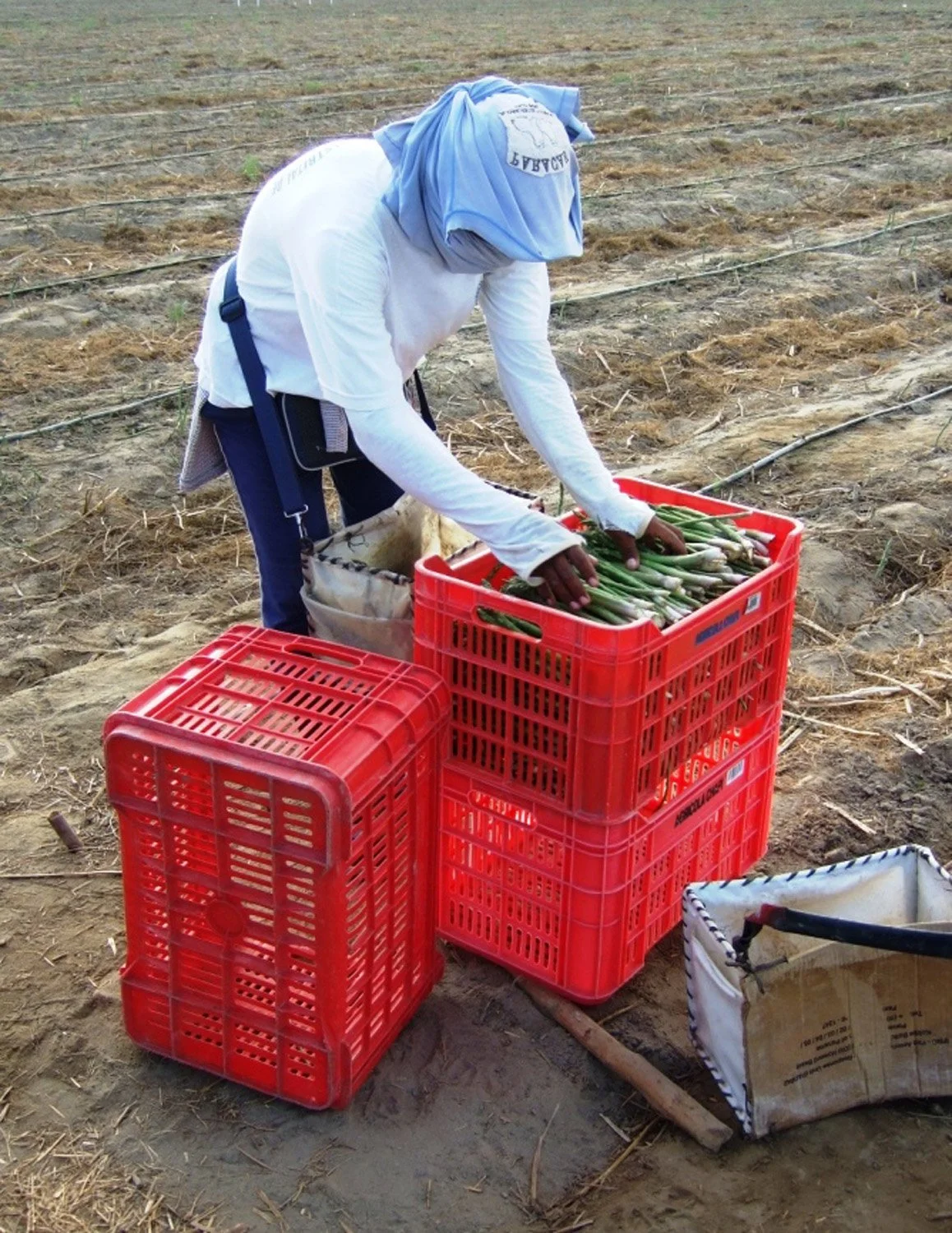
When production of fresh fruit and veg for our supermarkets takes more water than the aquifer can provide, what’s the real human and environmental cost of blueberries and avocados all year round?
We’re being sold inequality by the gallon. But together, we can change that.
Demand a fair water footprint - act now!