
fruit & veg / Peru
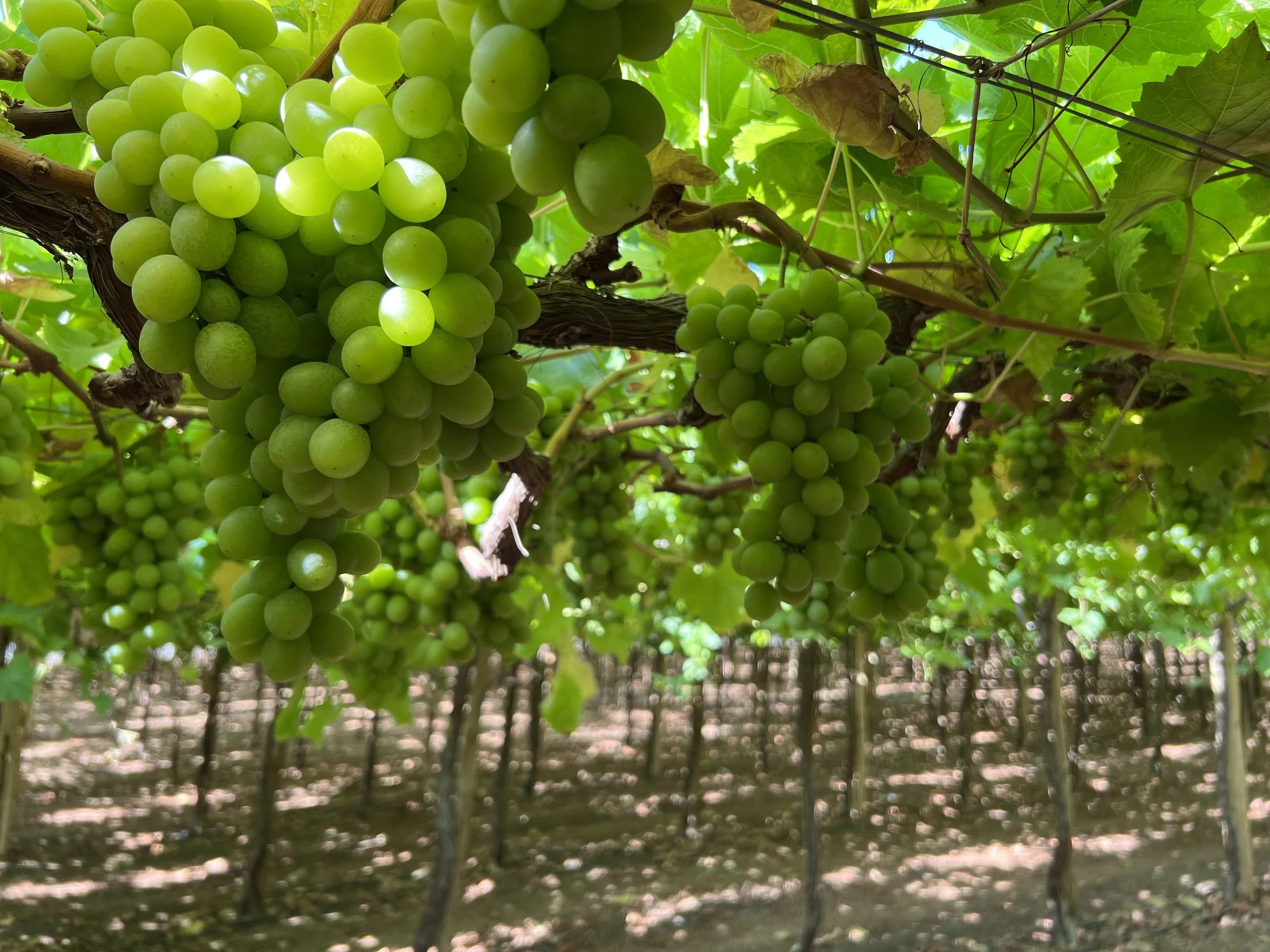
Blueberries, grapes, avocados and asparagus from the Ica Valley of Peru are found in every UK supermarket. In the desert, fresh fruit and veg is grown all year round, destined for UK and European shopping baskets.
But the aquifers are drying out, and tens of thousands of people do not have access to clean, safe water for drinking, washing or cooking.
We’re being sold inequality by the gallon.
Nobody wants their brunch to be the reason why someone doesn’t have clean water and decent toilets. Nobody wants their five a day to mean people are having to buy poor-quality water at hiked up prices just to give their kids a drink.
Demand a fair water footprint.
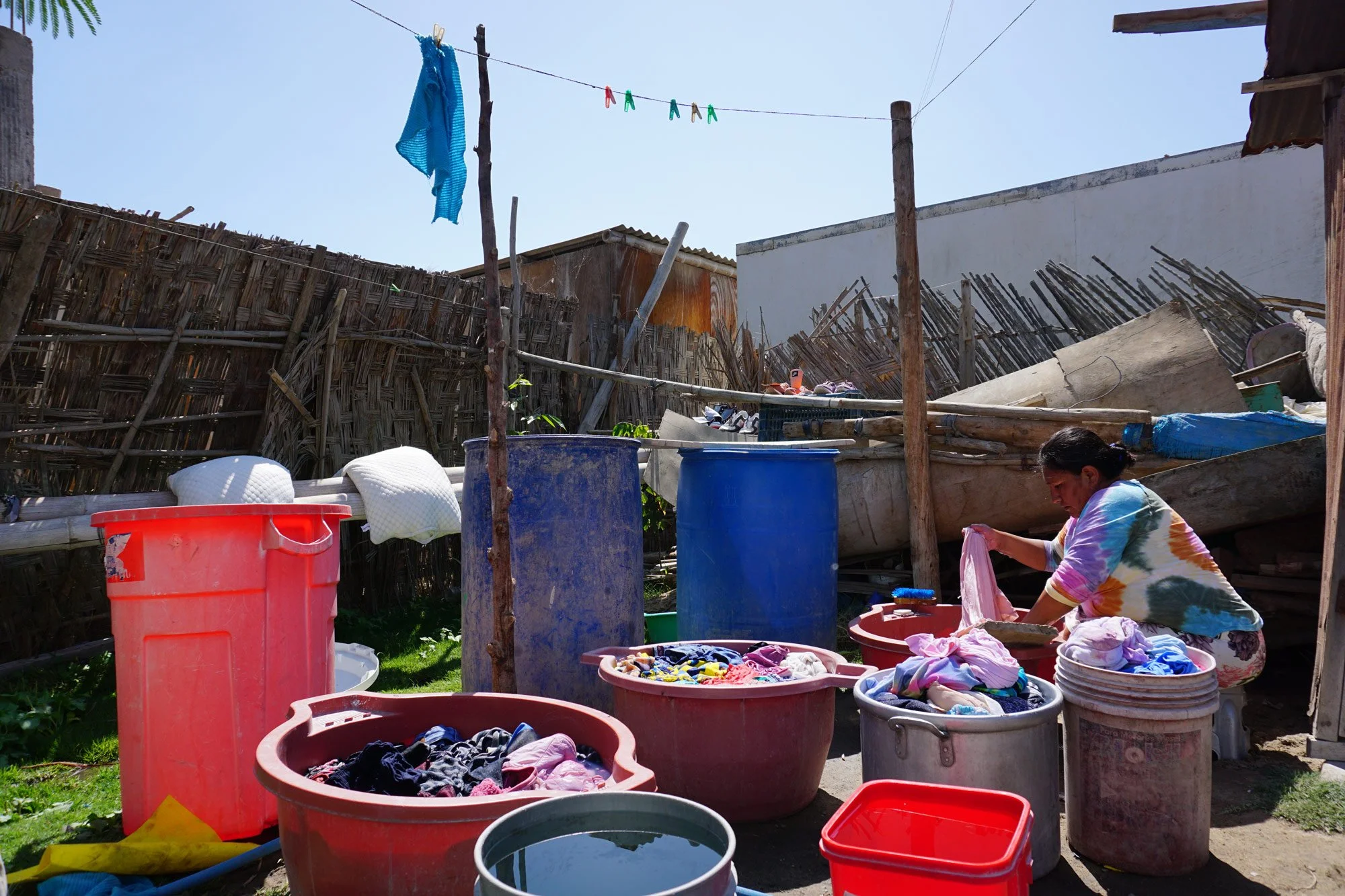
“At this time of year with high temperatures, we need to buy 4 tanks or 5 tanks [of water] a month. And each tank costs us 20soles.
And, sometimes it’s not available. And sometimes we don’t know what kind of water they’re bringing us. We just have to get water from whichever tanker and that’s what we consume.
Many of the kids get sick with diarrhoea, vomiting. My daughter has many stomach problems, lots of vomiting. The kids are often sick and they get dehydrated. It’s all from the water they are consuming.
I imagine a different life, where nobody lacks water in their home. Where we are not suffering for basic necessities, above all, the thing that is so necessary, water.”
Anonymous female farm worker, living in ‘Tierra Prometida’ (the ‘Promised Land’) unplanned settlement
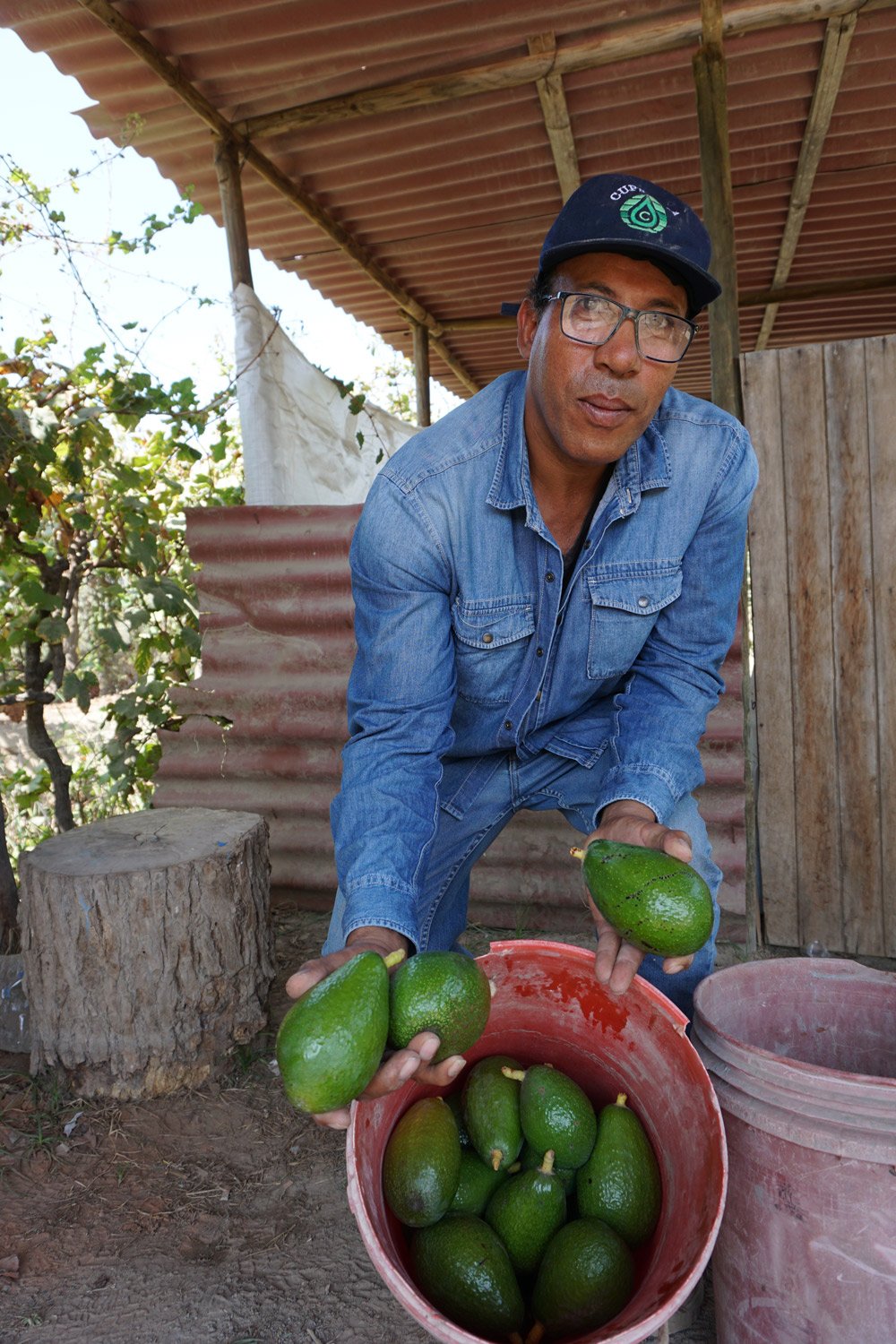
“The actual problem here in the Ica valley, which affects most people who are small farmers, is the problem of water. Without water there is no life, right?
“When there is a shortage of water, our plants also face water stress. Our plants die, it affects our production, we have losses. We have families to feed. And like all people, we small farmers also want to be able to give our children a good education.”
Elvio, small farmer
IN FOCUS: Fresh Fruit and Veg from Ica Valley
Food Security
Groundwater-fed crop production in Ica is likely to become economically non-viable in the short to medium term, and this will have significant impacts for Peru’s economy, as well as for food security, health, and the cost of living in countries which now depend on Peru’s fruit and vegetables, including the USA, the UK, and those in the European Union.
Access to water
Existing wells used by small farmers and the municipal water utility are running dry and three quarters of farmers regularly lack water and are forced to stop or pause production.
70-80% of the population of Ica lack reliable water supply: The rapid influx of workers to serve the agro-export sector combined with declining groundwater, means the municipal water utility is struggling to deliver safe water, sanitation, and hygiene (WASH) for Ica’s population of almost half a million people. At least 35,000 people lack any formal water provision – an infringement of the Human Right to Safe Water as recognised by the UN.
Climate impacts
Collection and transfer of water from the Andes to supplement flows to Ica is driving ecosystem and wetland degradation, and exacerbating flood and drought, and climate change impacts for indigenous and pastoralist communities in the mountains of Huancavelica.
Lack of infrastructure
Unplanned settlements have sprung up across Ica to house farm workers from other regions of Peru and South America, but lack infrastructure for sanitation or safe water. Inhabitants reported that they have to buy water of unknown quality at hiked up prices, and that they and their children face regular diarrheal disease and ill-health. Storage of the purchased water is often in open containers, which contributes to the spread of Dengue fever and other mosquito-borne disease.
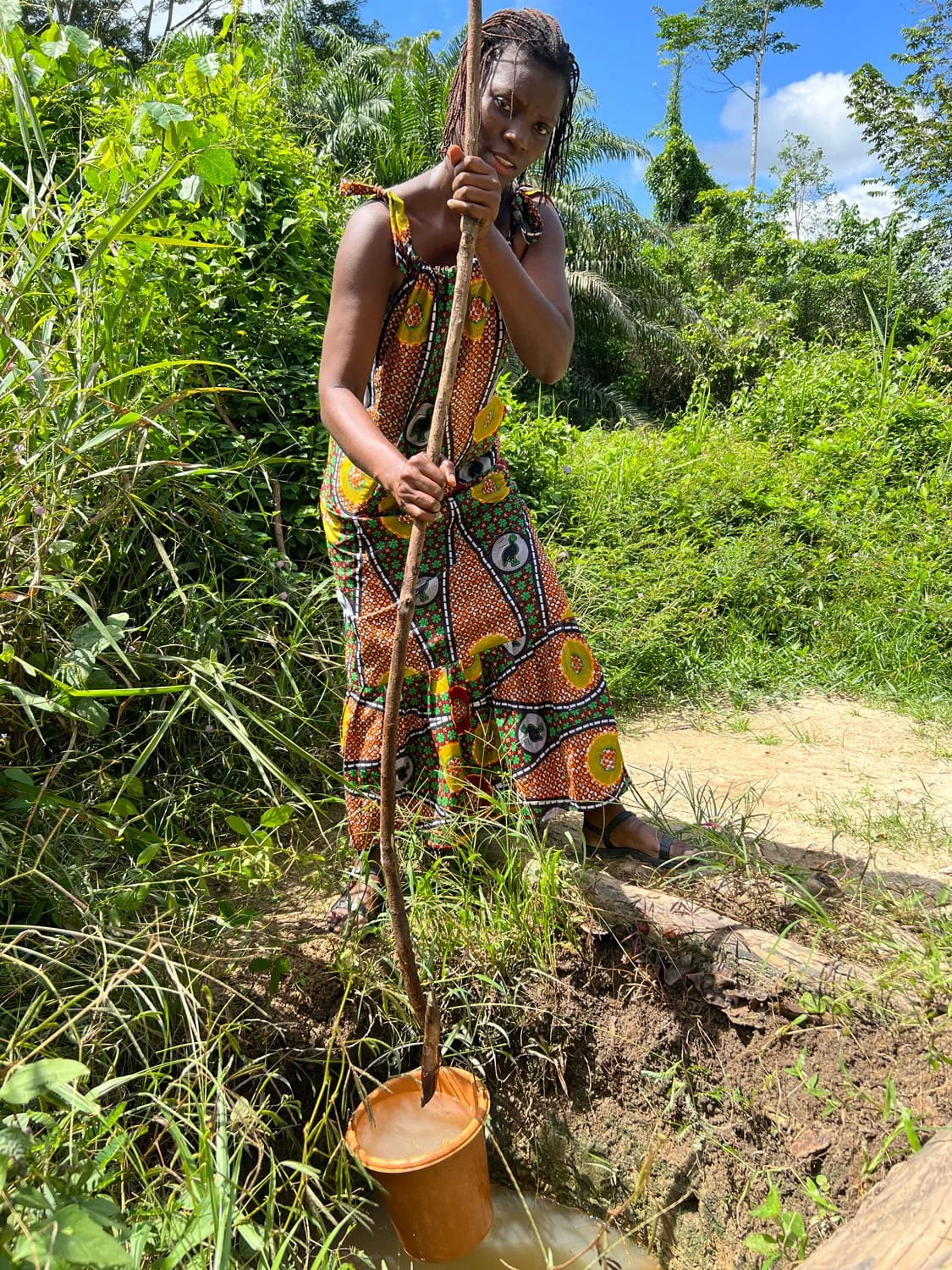
When chocolate companies are posting record profits, why don’t the cocoa farmers in Côte d'Ivoire who supply every major chocolate brand have clean water and decent toilets?
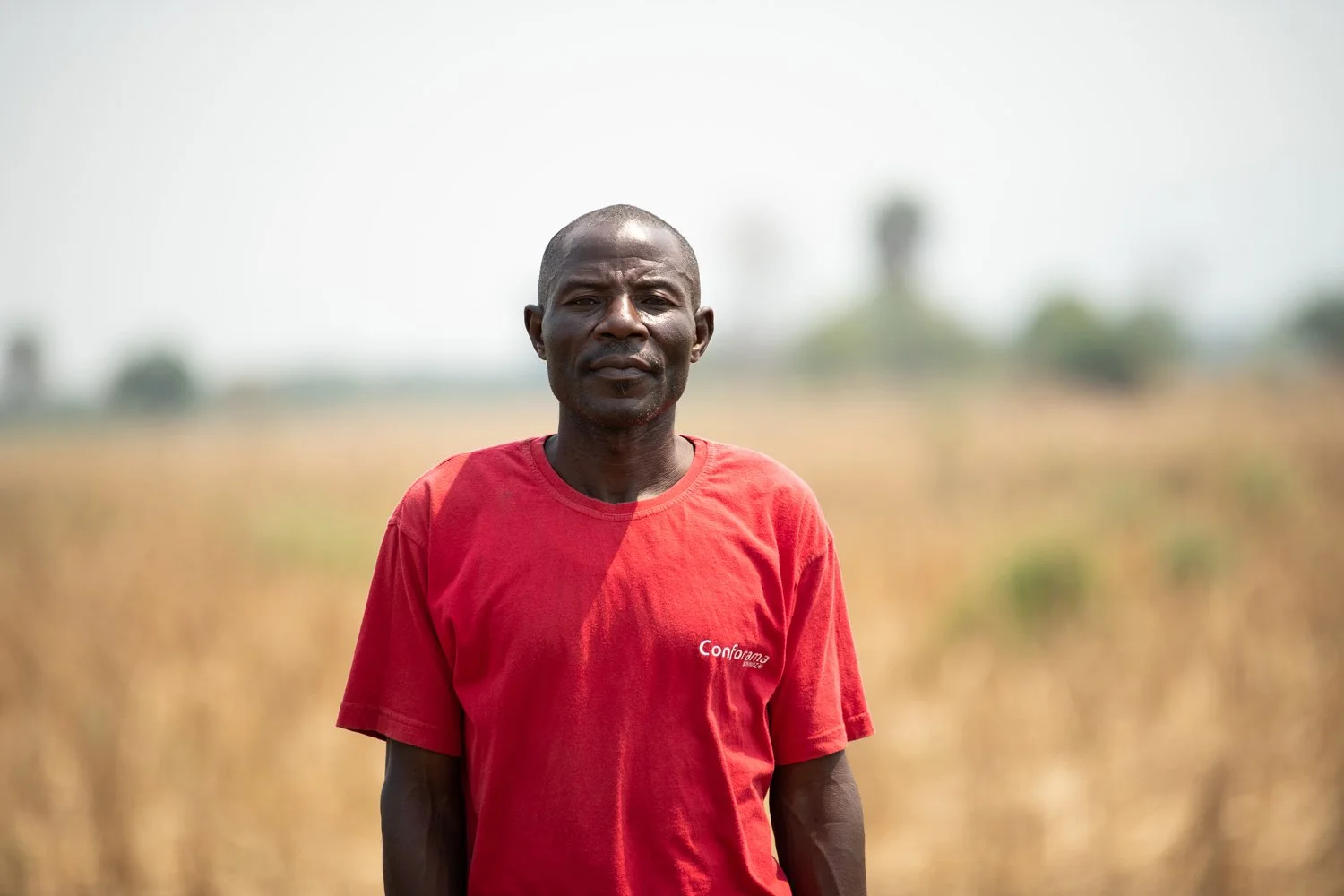
Did a British-owned sugar company protect their plantation in Malawi from floods, at the expense of the neighbouring community? Kanseche village was destroyed, and seven people were killed - now 1700 villagers are taking legal action.
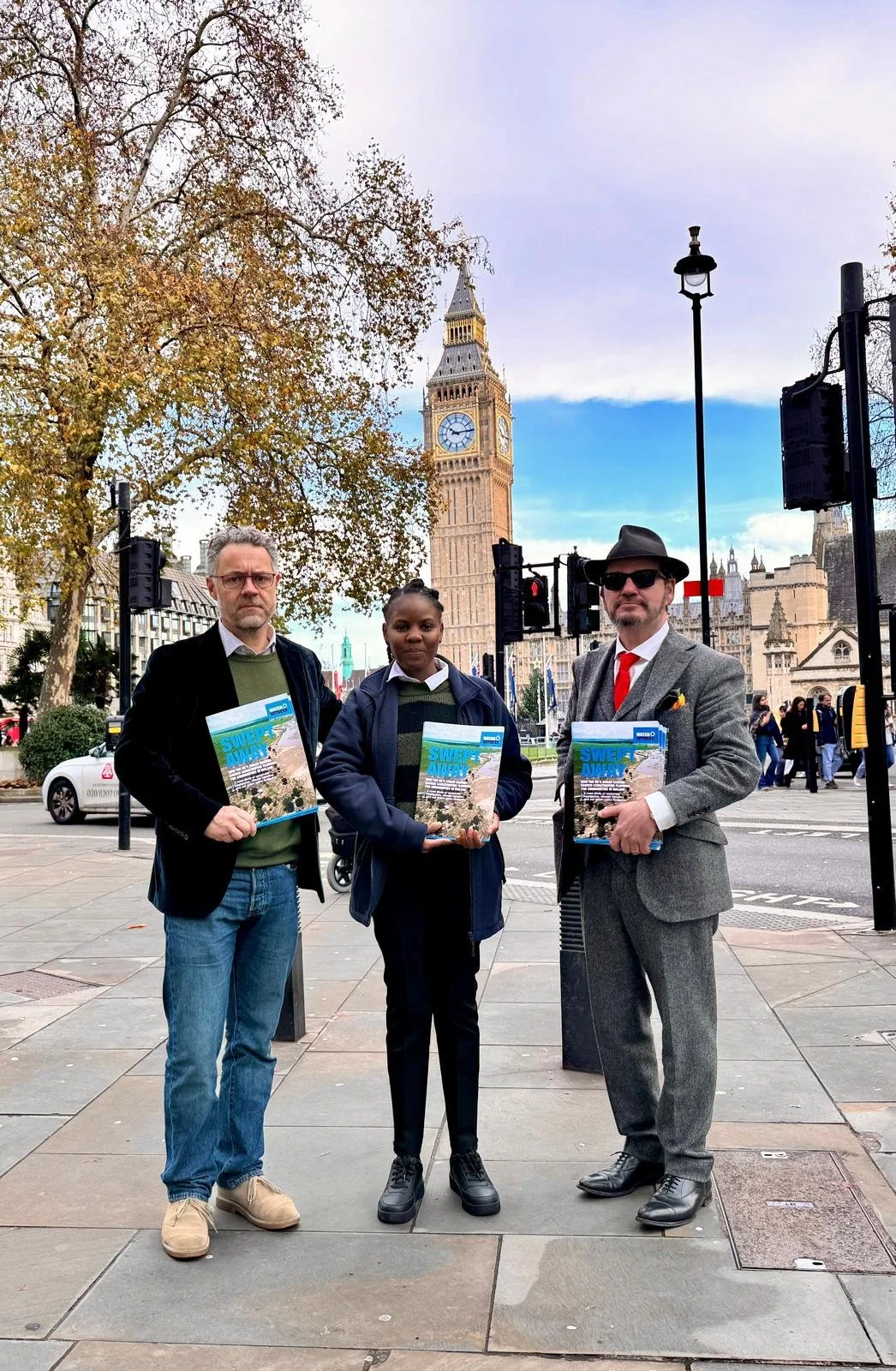
We’re being sold inequality by the gallon. But together, we can change that.
Demand a fair water footprint - act now!