
Our Research
Research is the foundation of our work at Water Witness. It helps us understand how water is used, who benefits and who bears the costs. It also provides the evidence we need to make the case for change.
Working alongside communities and partners around the world, we bring together research and lived experience to expose water injustice, hold decision-makers to account and identify solutions, working with people and powers where we can. This evidence informs our campaigns, shapes our recommendations and underpins our call for fairer, more sustainable water use.
Explore our reports and summaries, as well as research from in-country partner organisations below to understand the issues, hear from those affected and discover what needs to change.
And crucially, find out how you can get involved. We're all part of creating a fair water future.
Who pays the water bill? Agriculture report
Short summary of the research goes in here, keeping it to maximum three lines of text.
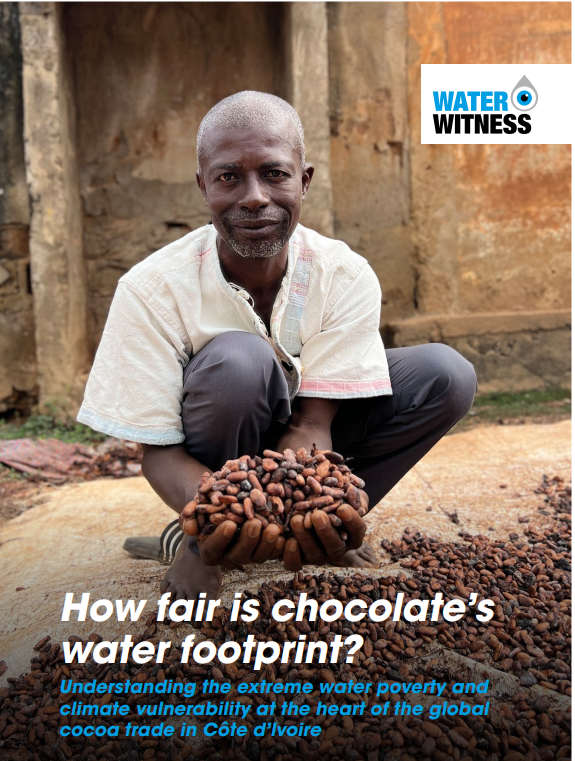
How fair is chocolate’s water footprint?
Understanding the extreme water poverty and climate vulnerability at the heart of the global chocolate trade

How fair is our water footprint in Peru?
The role of fresh fruit and vegetable production for export in Ica’s water emergency, and lessons for sustainable water use in the global economy
Who gets the water? Peru summary report

Swept Away
1700 Malawians are taking a group legal action against a UK multinational, alleging embankments built to protect a sugar plantation exacerbated a deadly flood that destroyed their village.
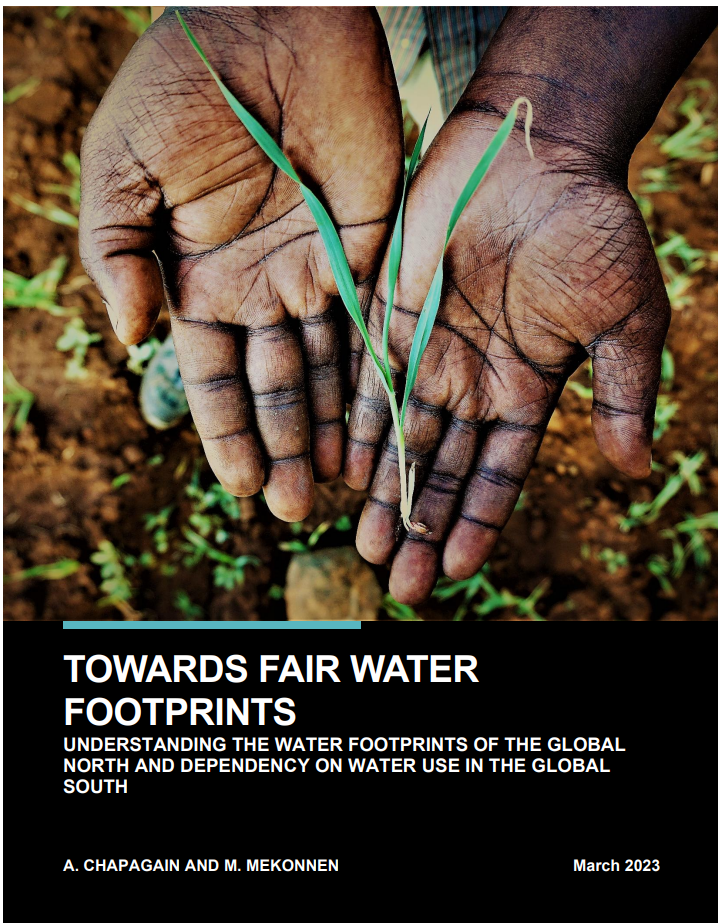
Towards Fair Water Footprints: Understanding the water footprints of the Global North and dependency on water use in the Global South
further reading:
How fair is chocolate’s water footprint?
Swept
Research goes here
Short summary of the research goes in here, keeping it to maximum three lines of text.
Short summary of the research goes in here, keeping it to maximum three lines of text.
Short summary of the research goes in here, keeping it to maximum three lines of text.
Short summary of the research goes in here, keeping it to maximum three lines of text.