
Climate adaptation fails when we ignore human behaviour.
What is Basin?
BASIN stands for ‘Behavioural Adaptation for water Security and INclusion.
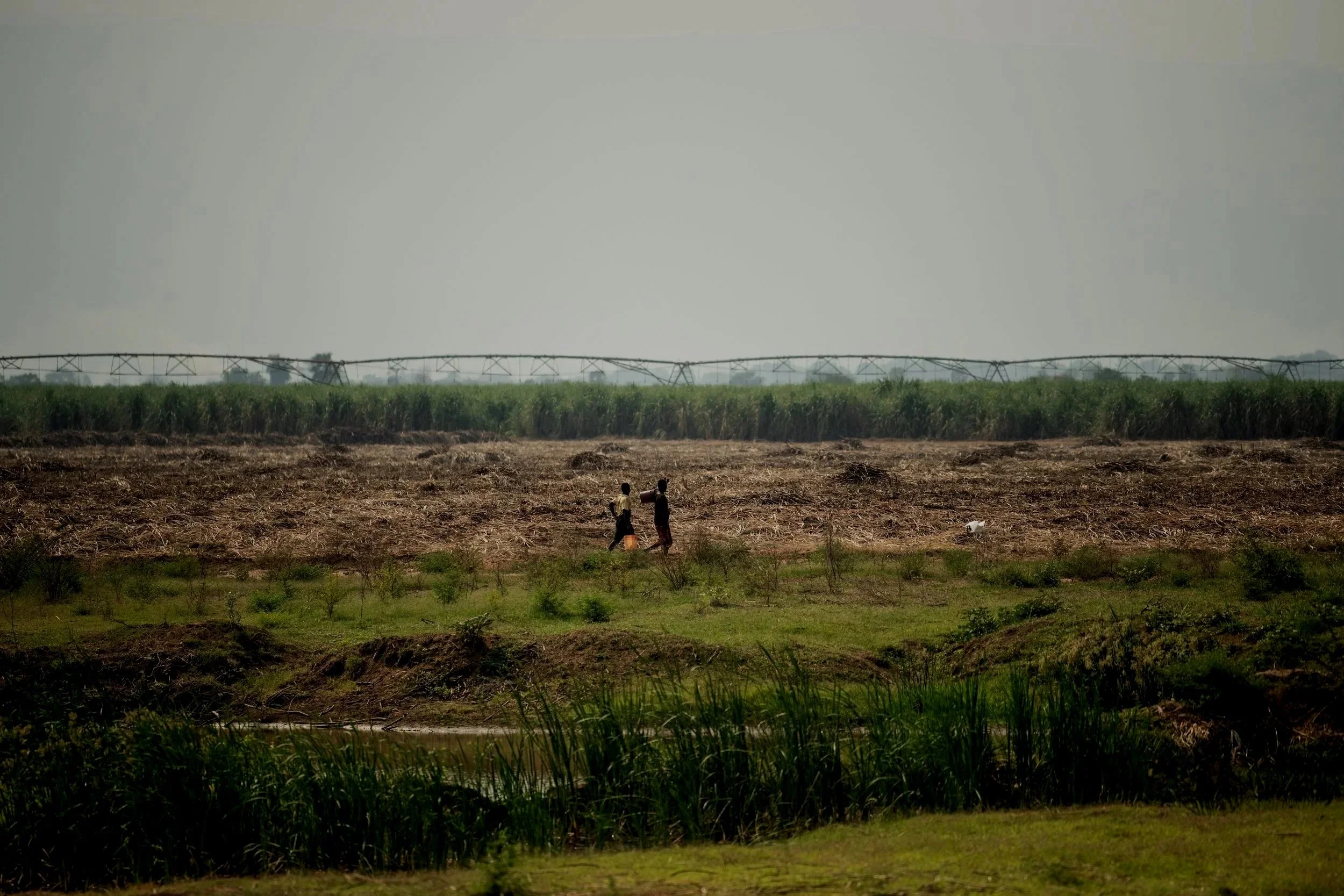
Too often, climate and water security solutions fail because they don’t reflect how people actually live, decide, and act.
The BASIN project supports communities in Malawi, Tanzania and Burkina Faso, drawing on behavioural science to understand how people respond to climate challenges, and crucially, why. This insight helps build climate and water security solutions that are practical, inclusive, and owned by communities.
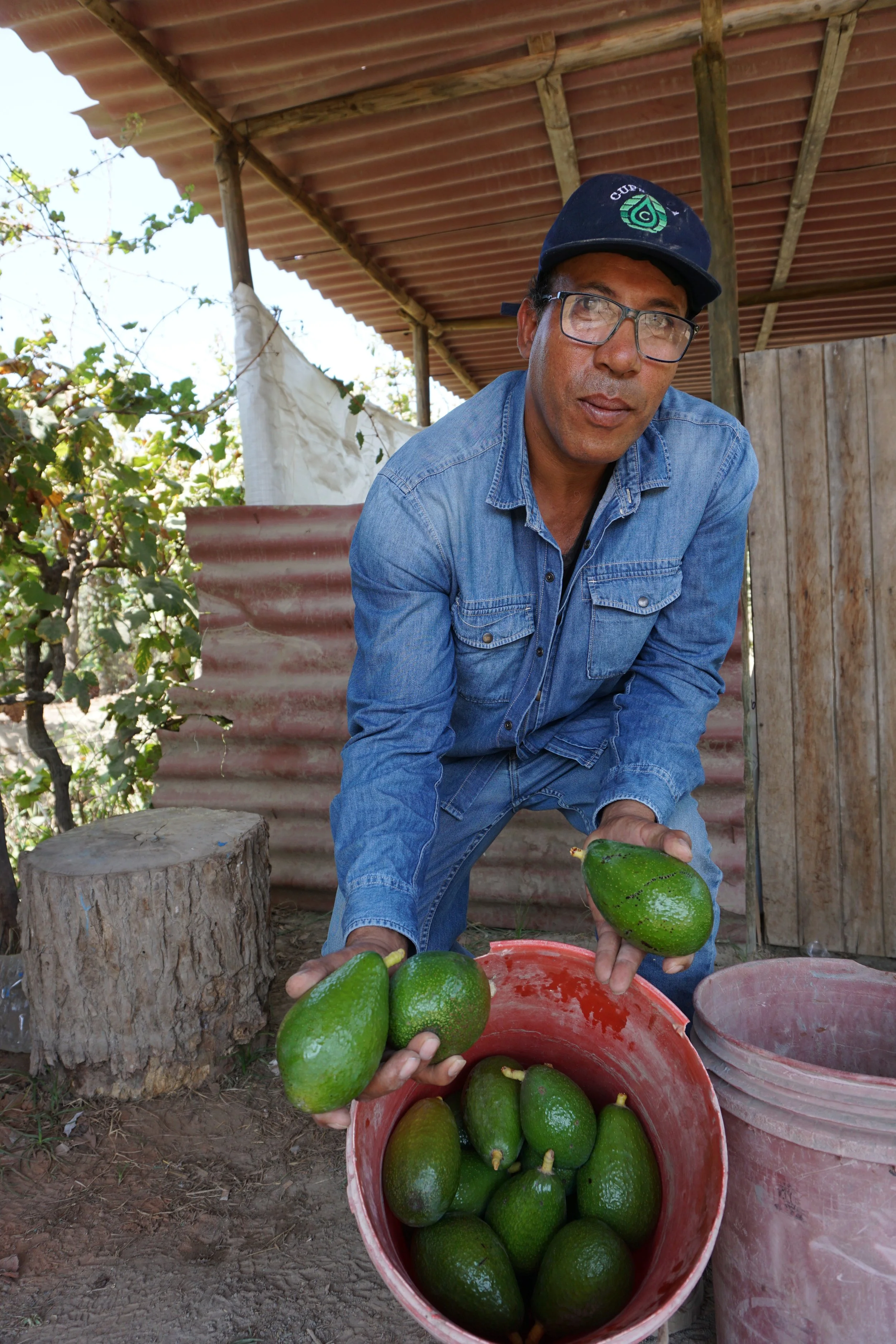
“This is the first time we have seen an organization return to us with results and ask for our input on what should be done next. For once, we feel included and are assured that our voice matters.”
– Community leader from Tanzania involved in BASIN
Why behaviour change matters
Adapting to climate change depends on people’s everyday decisions. This includes decisions that can improve climate resilience (such as planting trees or climate-smart agriculture) and behaviours that can increase climate vulnerability (such as cutting down trees or farming along a riverbank).
BASIN uses behavioural and psychological science to understand what drives these decisions. A key framework1 we use looks at three factors that shape behaviour:
Capability: do you have the knowledge, skills and physical ability?
Opportunity: does the context around you enable or hinder you?
Motivation: do you want to or feel able to take action?
Where we work (so far)
Water Witness’s Fair Water Action Fund provides grants of between £3,000 and £36,000 GBP, alongside technical and legal support, to organisations in the ‘Global South’ working for water justice.
Open to civil society, media, and research bodies, the Fair Water Action Fund supports:
accountability monitoring
amplification of citizens’ voices
research and investigative journalism on water issues
evidence-based advocacy for systems change
We will consider applications that work towards water and sanitation for all.
As well as targeted grants, we can provide reliable, appropriate, and high-quality support, including:
technical guidance
strategic advice
organisational capacity development
Interested? Find out more and apply by clicking the button below.
The Impact so far
Launched in 2024, the Fair Water Action Fund initially received 95 applications from 20+ countries.
In March 2025, we awarded our first 6 grants (£152,993 GDP), to improve water security for over 273,200 people.
The number of applications increased to over 800 from more than 30 countries in the second round, of which we have since awarded another 7 grants (£225,373 GDP).
Applications have predominantly come from Sub‑Saharan Africa, reflecting our initial geographical focus.
But the fund now has a global reach, with growing interest from Latin America and the Caribbean, Asia and the Pacific, and the Middle East and North Africa.
“This is a very innovative fund. FWAF deliberately connects the process of generating data with actors who can translate that evidence into practical outcomes. That is a very important aspect of the fund’s design and purpose.”

Reviews from Fund grantees
Completed grants
Although the grants differ in location and in the specific challenges they address, they share a common purpose: to identify where and how basic human rights to water are being violated, and to propose grounded practical solutions that can rebuild trust in our institutions and sectors.
By equipping decision makers with better information, fostering partnerships between communities and duty bearers, and leveraging the law to demand accountability, our partners are collectively pursuing a future in which water use is both sustainable and equitable for all.

Community Water Alliance
Location: Zimbabwe
Grant: £15,000 GBP
Impact
CWA uncovered evidence of mining pollution affecting communities across five mining hotspots and used these findings to influence district and government policies for improved corporate accountability. Their evidence contributed to fines being issued to several multinational mining companies operating in Goromonzi.
What's next?
CWA is preparing litigation in Buhera District, contributing evidence to the review of Zimbabwe's Water Act, and calling for greater transparency around Environmental Impact Assessments.

CODEH-Ica
Location: Peru
Grant: £36,000 GBP
Impact
CODEH-Ica strengthened water justice by documenting severe household water insecurity and inequities in one of Peru's most water-stressed regions. The project also trained more than 300 community leaders, farmers and workers to engage in water governance and citizen monitoring.
What's next?
CODEH-Ica is using evidence from the project and strengthened community networks to advance more transparent and equitable water management in the Ica Valley.

Equality Collective
Location: Eastern Cape, South Africa
Grant: £20,000 GBP
Impact
Equality Collective expanded its community-led monitoring model by training community monitors and residents to track water access and hold duty-bearers accountable. The approach improved water reliability for 65,000 residents and helped drive municipal repairs and maintenance.
What's next?
The organisation is sharing lessons from the project and continuing to contribute to national policy discussions on public service delivery and water governance.

Dr Ismail El Hassnaoui
Location: Morocco
Grant: £36,000 GBP
Impact
Dr El Hassnaoui's research revealed how European demand for Moroccan produce is contributing to groundwater depletion, exposed governance and enforcement failures, and produced a seven-priority Transformation Roadmap for improving water stewardship across the agricultural value chain.
What's next?
The Transformation Roadmap is informing engagement with government institutions and international partners to strengthen accountability and water stewardship across Morocco's agricultural sector.
Get in touch
If you would like more information on the Fair Water Action Fund, email actionfund@waterwitness.org.
our funders
our delivery partners

